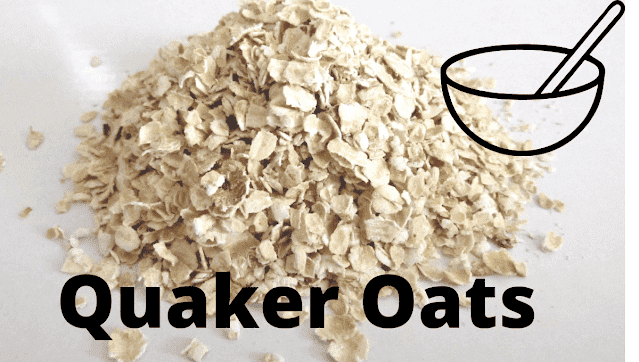
Quaker Oats For Baby
.png "Is-Oatmeal-Good-For-Babies")
The first priority of every parent is making sure their little one gets the best possible nutrition. When it came to introducing solid foods for my daughter, I spent so many evenings researching the safest options. One food that kept coming up was oatmeal. Specifically, Quaker Oats.
I remember standing in the grocery store, holding that familiar blue container and thinking, is quaker oats good for babies? Can I give this to my 7-month-old? Is it too heavy for her tiny stomach? If you are asking yourself the same questions right now, I completely understand that feeling. Let me share what I found out.
Table of Contents
- Why Quaker Oats Are a Great Baby Food
- Is Quaker Oats Good for 1 Year Old Baby?
- Is Quaker Oats Good for 2 Year Old Baby?
- When Can Babies Eat Quaker Oatmeal?
- How to Prepare Quaker Oats for Babies
- Do Oats Need to Be Cooked for Babies?
- Side Effects of Oats for Babies
- Which Oats Are Good for Babies?
- Frequently Asked Questions
Why Quaker Oats Are a Great Baby Food
Quaker oats have been fed to babies for generations, and there is a very good reason for that. They are high in protein and fiber, which makes them a great all-around meal for your little one. But that is just the beginning.
Here is what makes them stand out as a baby food choice:
- Nutritional richness: Oats are packed with dietary fiber, iron, magnesium, and vitamins like B6 and E. These are exactly the nutrients a growing baby needs every single day.
- Slow-release energy: Unlike sugar-heavy snacks, quaker oats provide complex carbohydrates that digest slowly. This keeps your baby active and satisfied for longer stretches.
- Good for digestion: The soluble fiber in oats, called beta-glucan, acts as a prebiotic. This means it feeds the good bacteria in your baby’s gut and helps keep constipation away.
- Naturally gentle: Oats are naturally gluten-free, which makes them one of the safest and most gentle first grains you can introduce.
Is Quaker Oats Good for 1 Year Old Baby?
Many parents are not sure whether quaker oats are still a good choice once their baby turns one. You might be thinking about shifting away from pureed foods and wondering what wholesome options fit this new stage.
Is quaker oats good for 1 year old baby? Absolutely. At this age, your baby is much more active and needs more fuel. Oats provide exactly that. The fiber keeps their digestion running smoothly, and the iron and B vitamins support healthy brain development.
The best part? You can make oatmeal so much more exciting at this stage. Mash in a ripe banana, stir in some plain full-fat yogurt, or top it with a few soft blueberries. Your one-year-old gets a delicious, comforting meal that is quietly doing a lot of good on the inside.
Is Quaker Oats Good for 2 Year Old Baby?
By the time toddlers hit two years old, many parents start wondering if oats are still relevant. They are not just relevant, they are one of the most versatile and beneficial foods you can keep in your daily routine.
Is quaker oats good for 2 year old baby? Yes, and the fun really starts here. By now, cooking options have opened up a lot. You can bake them into soft muffins, blend them into pancake batter, or make overnight oats with fruit stirred in. Toddlers usually love being involved in food preparation too, so letting your little one stir the oats in the bowl can make mealtime much more exciting.
When Can Babies Eat Quaker Oatmeal?
This is the question almost every parent asks first. When can babies eat quaker oatmeal safely?
Babies can usually start eating oatmeal around 6 to 8 months of age. At this point, most babies have begun the transition to solid foods and are developing the ability to move semi-solid textures around in their mouth and swallow safely.
read more-2 year old baby giri weight in kg.
Before you start, look for these readiness signs:
- Your baby can hold their head up steadily on their own.
- They can sit up with a little support.
- They are showing curiosity about your food at mealtimes.
- They do not automatically push food out with their tongue (the tongue-thrust reflex has faded).
When you are ready to begin, start with a very small amount of thinly prepared oatmeal mixed with breast milk or formula. Watch for any reactions over the next day or two before giving more.
How to Prepare Quaker Oats for Babies
You might be wondering how to prepare quaker oats for babies in a way that is both safe and practical. Here is a simple method that works for babies around 6 to 8 months old:
- Blend first: Take plain rolled oats and pulse them in a food processor or blender until they become a fine powder. This gives you a much smoother, more baby-friendly texture.
- Cook slowly: Bring water or a mix of water and breast milk to a low boil. Whisk in the oat powder and stir gently for about 10 to 15 minutes until the mixture is thick and creamy.
- Let it cool: Always let the oatmeal cool down to a warm, comfortable temperature before giving it to your baby.
- Thin it out: For younger babies just starting solids, mix in a little extra breast milk or formula to make the texture runnier and easier to swallow.
You can also try the overnight soak method. Simply soak whole oats in cold water overnight. The soaking softens them naturally and breaks down a compound called phytic acid, making the oats even easier for your baby to digest by morning. Then just cook as usual the next day.
Do Oats Need to Be Cooked for Babies?
Yes, always cook oats before giving them to babies or toddlers under two years old. While some adults enjoy raw overnight oats, the digestive system of a young baby is not ready for that.
Uncooked oats contain tough insoluble fiber that can be hard on a baby’s gut. In some cases, eating uncooked oats could cause gas, bloating, or difficulty digesting. Cooking them makes the fiber soft, safe, and much easier to absorb. Always err on the side of caution and serve them fully cooked.
read more-Why Using Baby Oil My Face
Side Effects of Oats for Babies
Like with any food, introducing oats too much or too fast can occasionally cause a few minor issues. The most common ones are gas and constipation, which usually happen when a baby suddenly gets a lot of fiber that their system is not used to yet.
Some parents also wonder, do oats increase weight in babies? Oats are high in carbohydrates, which do provide energy. As part of a balanced diet, they simply support healthy growth. However, if oats are overfed or constantly mixed with added sugars and sweetened toppings, that could contribute to unnecessary weight gain over time.
If you notice any consistent discomfort, bloating, or skin rashes after introducing oats, it is always a good idea to stop and speak with your pediatrician before continuing.
Which Oats Are Good for Babies?
Not all oats on the shelf are equally suitable for babies. The golden rule is simple: plain is best.
Avoid the flavored oatmeal sachets that are marketed as quick breakfasts. These are almost always loaded with added sugar, artificial flavoring, and sodium that a baby’s kidneys and digestive system are simply not ready for. Instead, go for plain, unflavored rolled oats or plain steel-cut oats. If gluten sensitivity is a concern in your family, look specifically for certified gluten-free oats.
read-more-telugu baby boy names hindu
The classic Quaker Old Fashioned Oats tin is a perfectly safe and widely trusted choice. You are the one adding the flavor through real fruits, a drop of vanilla, or a mash of sweet potato.
Frequently Asked Questions
Yes, Quaker oats are a wonderful food for a 1-year-old. They are rich in fiber, iron, and complex carbohydrates that provide lasting energy and support healthy growth and digestion at this active stage.
Most babies can start eating plain, well-cooked quaker oatmeal around 6 to 8 months of age, once they begin solid foods and show signs of readiness like head control and interest in eating.
Yes, always cook oats thoroughly before serving them to your baby. Cooked oats are soft, easy to swallow, and much gentler on a developing digestive system.
When given in appropriate portions as part of a balanced diet, oats support healthy growth rather than unhealthy weight gain. Consistently overfeeding any single carbohydrate without balance could contribute to weight gain over time.
read more- Bacche ke Pet Dard Gas se hain Pareshan
Comments
Be the first to leave a comment!