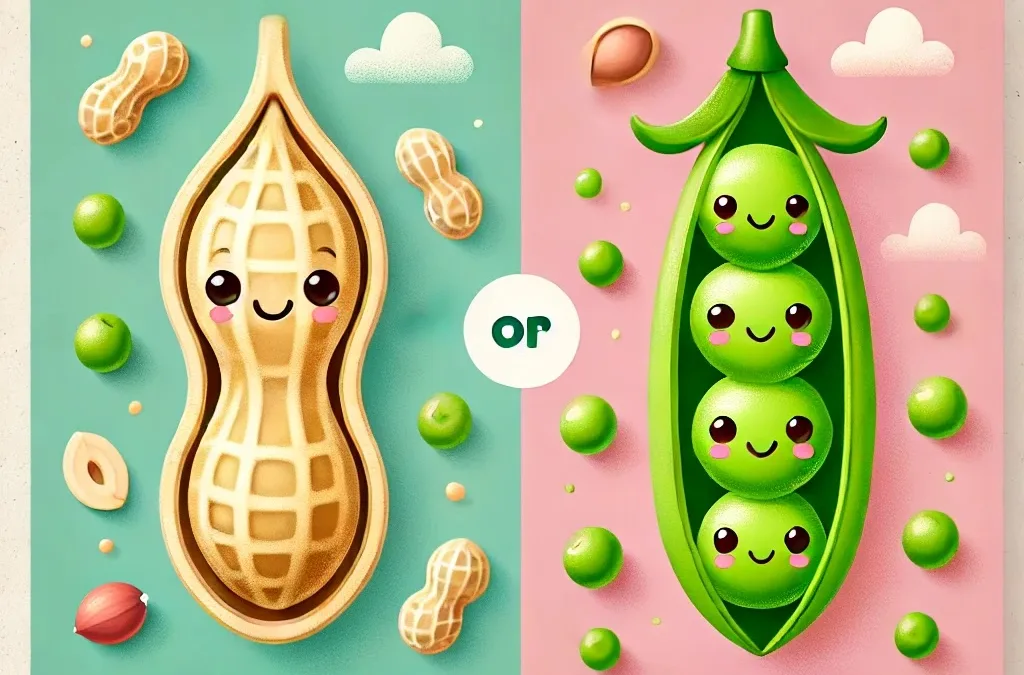
Are Peanuts Peas or Nuts? A Parent’s Guide to Baby Nutrition

As parents, we always want to make sure our little ones get the best nutrition. One common question that often confuses parents is: Are peanuts peas or nuts? Understanding the answer is important, especially if you’re introducing peanuts to your baby’s diet.
What Exactly Are Peanuts?
Despite their name, peanuts are not actually nuts! They belong to the legume family, just like peas, lentils, and beans. Unlike tree nuts (like almonds or walnuts), peanuts grow underground, making them more similar to peas than nuts.
Are Peanuts Safe for Babies?
Peanuts can be a great source of protein, healthy fats, and vitamins for growing babies. However, some important factors to consider before introducing peanuts to your baby’s diet include:
Allergy Risks – Peanuts are one of the most common food allergens. If there is a history of peanut allergies in your family, consult a pediatrician before introducing them.
Proper Introduction – The American Academy of Pediatrics suggests introducing peanuts early (around 6 months) to reduce allergy risks, unless your baby has severe eczema or an egg allergy.
Choking Hazard – Whole peanuts are a choking risk. Instead, try smooth peanut butter or peanut powder mixed with baby food.
Peas vs. Peanuts: Which Is Better for Babies?
| Nutrient | Peanuts | Peas |
|---|---|---|
| Protein | High | Moderate |
| Healthy Fats | High | Low |
| Fiber | Moderate | High |
| Allergy Risk | High | Low |
| Best For | Energy & Growth | Digestion & Immunity |
Both peas and peanuts offer great benefits, but if your baby has a peanut allergy, peas can be a safer alternative.
How to Introduce Peanuts to Your Baby’s Diet
- Start with a small amount of peanut butter mixed in baby cereal or yogurt.
- Avoid giving whole peanuts or chunky peanut butter.
- Watch for signs of allergies (rashes, swelling, vomiting) and consult your doctor if needed.
Conclussion:
Peanuts may be called “nuts,” but they are actually legumes like peas! They are nutritious but can also be allergenic, so introducing them carefully is key. Always talk to your pediatrician before adding peanuts to your baby’s diet.
Comments
Be the first to leave a comment!